
13th Floor, Bay View Tower,
Plot No.7,Sector 11,
CBD Belapur-400614,
Navi Mumbai,Maharashtra(India)
+91 22 45251000
info@triguninfotech.com

Why Ship Management Software Must Be Mandatory
The world is increasingly globalized, and maritime shipping forms the backbone of global trade. Most goods are transported by ships across the world’s oceans. Because of this, ship operations must be safe, efficient, and compliant.
Despite this importance, many ship processes are still handled manually. Spreadsheets and disconnected systems are widely used, leading to errors, missed details, and delays.
Ship management software eliminates these problems by streamlining operations and improving visibility. For this reason, it should be mandatory for all commercial vessels and fleet operators.
Enhanced Operational Efficiency
Ship activity management is complex. There will be maintenance schedules, logistics for the crew, records for maritime safety compliance, inspection for safety, and inventory tracking. Fuel usage and route planning are also essential for ship operation.
If you use a ship management tool, you get a centralized platform that includes all these features. It helps you automate repetitive tasks and reduce manual errors. Productivity increases with automation and lets crew and shore teams work on their strategies instead of on documents.
If there is capacity for real time data analytics, ship operators can optimize vessel performance, fuel usage, and voyage progress. This option helps them optimize routes and schedules and improve fleet digitalization benefits. The visibility also allows smooth operations and fewer inefficiencies that are hidden in manual tools.
Regulatory Compliance and Safety
A web of international regulations controls the maritime industry. There are safety standards like SOLAS and more, and environmental requirements like MARPOL. Not complying can make you pay huge fines, detentions, and even certificate loss.
With ship management software, you can enjoy automated compliance tracking, certificate renewal notifications, digital document features, and audit trails that make sure all your vessels are ready for inspection.
Safety is not just for regulations, and it is essential. Ship management software integrates safety checklists, reporting tools, and QHSE management modules. This helps operators and captains manage risks before they become damaging accidents.
Predictive Maintenance and Cost Savings
In the maritime industry, being careful of unexpected machinery failure is important. Normal maintenance models react when breakdowns happen. This can be expensive and pose dangers.
The latest ship management tools come with predictive and planned maintenance tools. They use past ship data and condition monitoring to find problems before they happen.
Reducing downtime is possible with these features, and equipment life can be increased. Repair costs can also be reduced with vessel maintenance automation.
If you link maintenance schedules to the inventory of spare parts and procurement modules, you can ensure the software oversees that essential parts are in stock when required and avoid expensive delays because of missing parts.
Crew Management and Welfare
Manual systems fall short in the crew management area. If you use ship management software, you can automate scheduling, perform certifications and training tracking, manage payroll, boost ship operations efficiency, and assist welfare programs.
This naturally boosts job satisfaction and labour regulations compliance. Reduced turnover and better crew performance also occur.
Final Thoughts
The ship management software is not a luxury, it is a basic need for modern maritime operations. Making this software mandatory would benefit the entire ship industry. It will also ensure safer seas and help maritime risk management. A more resilient global supply chain will result from this software.
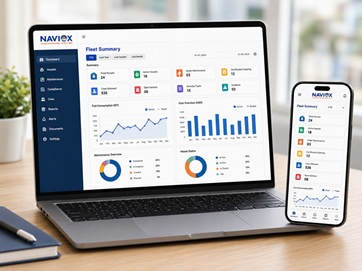
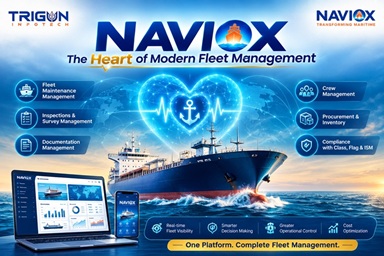
Make use of NAVIOX to streamline crew management, predictive maintenance, and decision-making across your entire fleet with one powerful ERP solution.
+91 22 45251000
info@triguninfotech.com
Development
Apps Development E-Commerce Blockchain Data Science Automation and AI Software Consulting

 sitemap.xml





.png)



.png)
