
13th Floor, Bay View Tower,
Plot No.7,Sector 11,
CBD Belapur-400614,
Navi Mumbai,Maharashtra(India)
+91 22 45251000
info@triguninfotech.com
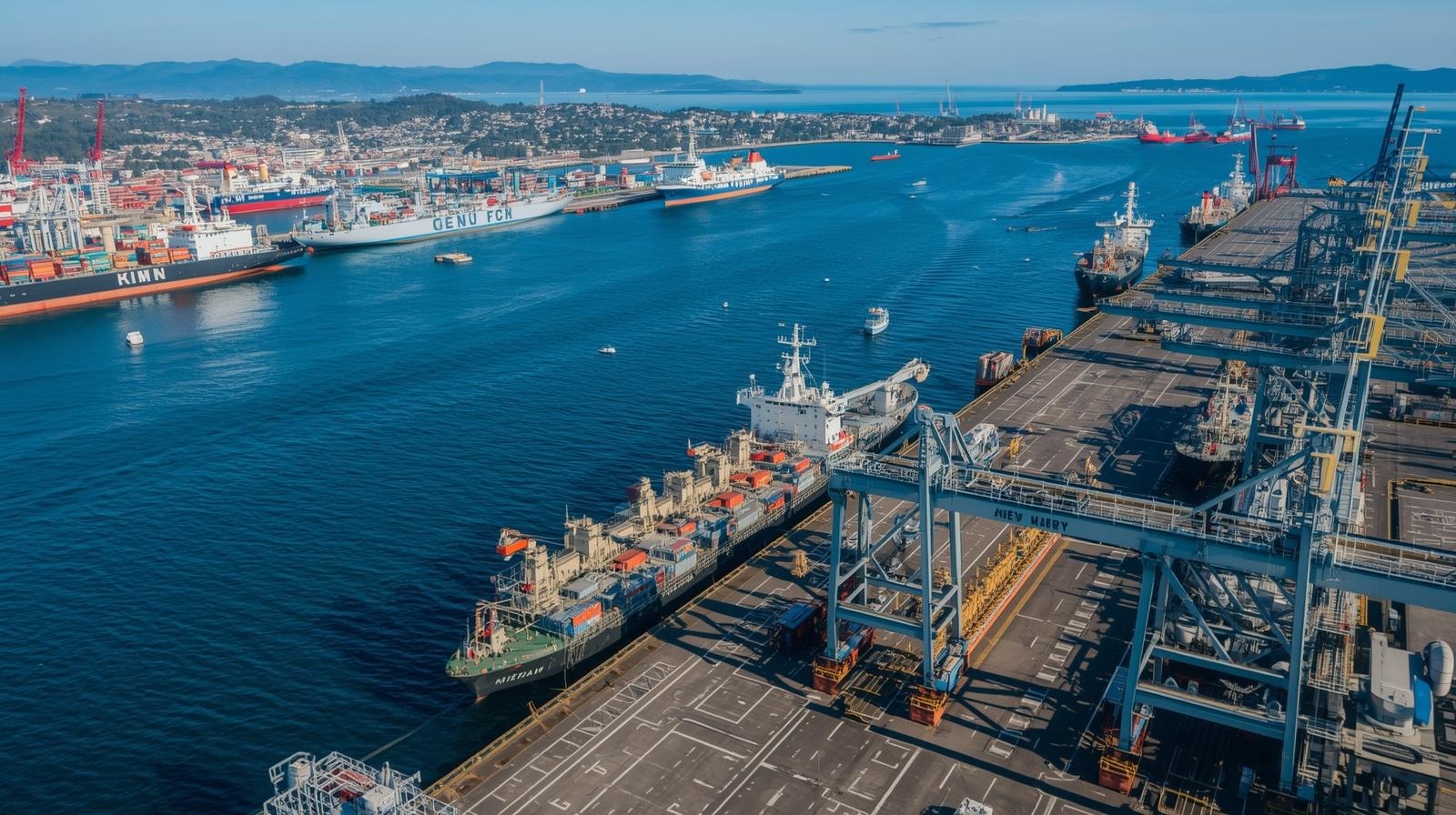
5 Ways to Optimize Fleet Operations Using Ship Management System
The shipping industry today is fast-moving, competitive, and highly regulated. Managing a fleet in this environment isn’t easy. From keeping vessels compliant to staying on top of maintenance and fuel efficiency, there’s a lot to handle every single day.
To optimize fleet operations, companies need better visibility, smarter planning, and real-time control. A modern ship management system brings everything into one place, making it easier to track vessels, manage tasks, and make informed decisions without the usual chaos.
Here are five tips to help you improve your fleet with a new generation of ship management systems.
1. Improve Real-Time Visibility Across the Fleet
Live vessel location, speed, fuel consumption, and route progress are all made available by a robust ship management system. Managers no longer have to make several phone calls or send emails to find out what is going on at sea. Real-time data lets them swiftly react to unpredictable weather, port delays, or technical problems. This great visibility helps to avoid expensive errors, clarifies direction, and keeps travel on schedule.
2. Improve Reliability and Maintenance Planning
Unplanned failures have the potential to bring operations to a stop overnight and raise costs. Top fleet operations management software enables maintenance crews to plan repairs based on the real vessel state rather than speculation. One location stores inspection reports, spare part inventories, and repair history in the system. Alerts prompt teams about upcoming inspections, so as to avoid failures, lower downtime, and prolong the life of critical equipment.
3. Boost Maritime Fleet Optimisation Through Smarter Routing
Cost and time reductions depend much on route planning for maritime fleet optimisation. To propose safer and shorter routes, digital tools examine sea traffic, weather patterns, and fuel consumption. Vessels burn less fuel and arrive on schedule by avoiding strong waves and superfluous detours. These little changes add up to significant increases in general fleet reliability and efficiency across several visits.
4. Track Vessel Performance Management With Clear Metrics
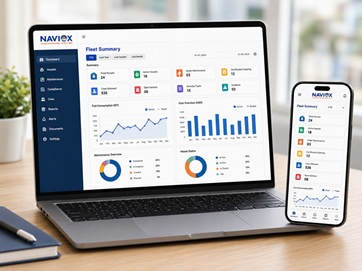
Better choices require the correct statistics for fleet leaders. A contemporary platform monitors crucial statistics, including engine condition, voyage time, cargo handling efficiency, and fuel per mile. Managers get basic dashboards that emphasise trouble spots instead of having to go over chaotic spreadsheets. This data-driven method enables teams to plan future operations more precisely, commend great vessel performance management, and address any deficiencies.
5. Streamline Communication Between Ship and Shore
A common reason given for delays and errors during shipping is miscommunication. Ship management software facilitates a common space where captains, engineers, and other teams can communicate with each other instantly. Traditional paper logs are replaced by digital logs, and report generation is made easier by automation. As a result, decision-making, shipping, and team collaboration become efficient.
Wrapping Up
Ship management software is a tool that helps a shipping company manage its fleet with more control, efficiency, and confidence by bringing together the elements of data, planning, and teamwork to conquer the day-to-day challenges of shipping as tasks, rather than crises.
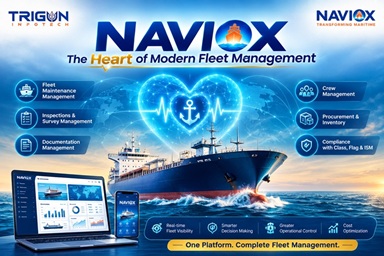
To optimize fleet operations efficiently, check out Naviox. We are a company that specialises in providing innovative, intuitive maritime solutions to assist you in monitoring, maintaining, and making decisions in order to make your fleet run more smoothly, safely, and efficiently.
+91 22 45251000
info@triguninfotech.com
Development
Apps Development E-Commerce Blockchain Data Science Automation and AI Software Consulting





 sitemap.xml




.png)



.png)
